
Best Resume Formats for 2026 (with 10+ Templates!)
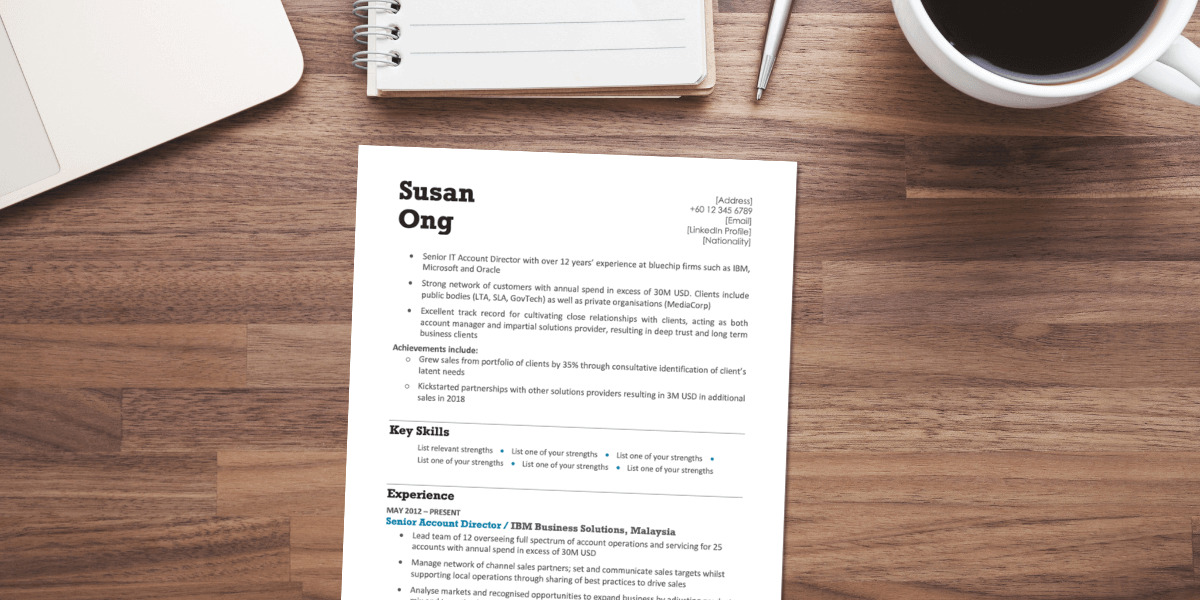
A well-written CV starts with selecting the right resume format. Your resume format isn’t just about aesthetics, it’s a strategic tool to showcase your strengths.
But what is the best resume format for you? More importantly, which format is the most effective in helping you land your dream job?
Here’s a little-known fact: over 75% of resumes are rejected by ATS before a human ever sees them.
In this Resume Format Guide for 2026, we will explore various resume formats, identify the best resume format for you, and share templates for you to get started with these effective resume formats.
We’ll also cover how to optimize your resume for ATS, section-by-section writing tips, examples of great resume formats, and common mistakes to avoid.
By the end, you’ll know exactly how to format your resume to impress Singapore employers and get that call for an interview!
See our other most popular articles:
In This Guide:
Resume Format Guidelines (Singapore Edition)
Your resume layout matters.
Before diving into specific formats, let’s cover some universal resume formatting rules. Here are the standard rules you should follow when formatting a resume:
- Set one-inch margins on all four sides. This keeps your resume neat and ensures that you don’t have large, stretched blocks of text that look unprofessional.
- Pick an 11 or 12pt resume font and stick to it. Choose an attention-grabbing (but professional) font. We recommend Roboto or Overpass.
- Divide your resume into legible sections: Contact Information, Resume Summary, Work Experience, Education, and Skills.
- Use bullet points to list work achievements and responsibilities, academic details, etc. They help make the resume much more readable.
- Be consistent with your resume formatting (stick to the exact date format: e.g., 11–2018 or November 2018.)
- Use single or 1.15 line spacing. You don’t want the information on your resume to look all cramped up.
- Add an extra space before and after each section heading.
- Don’t make your resume longer than one page. Unless you have many years of relevant work experience, there’s no reason for your resume to be two or three pages long.
- Don’t use photos on your resume. Unless the job description specifically asks for them.
- Permanently save your resume as a PDF file. It’s the safest choice, as it guarantees your resume layout will stay intact no matter what device opens it.
By following these formatting fundamentals, you’ll ensure your resume makes a polished first impression. Now, let’s look at the different resume formats you can choose from and which is best for you.
Top 3 Resume Formats in 2026 (And When To Use Them)
There are 3 Resume Formats dominating the Resume Writing industry in 2026:
- Reverse-chronological
- Functional
- Combination (of Reverse-chronological and Functional Resumes)
What are these formats exactly, and how do they differ?
1. Reverse-chronological Resume Format
The Reverse-chronological format puts your latest work experiences at the top, followed by past work experiences.
Under each job, you include your role, the company, the dates, and bullet points describing your responsibilities and achievements.
Following work experience, you list other sections like education and skills.
This is the most common and traditional resume format used by jobseekers. You might even be following this format with your own resume too!
Pros: This format highlights your career progression and most recent achievements front and center. Recruiters and hiring managers are very familiar with it and often prefer it because it provides a clear, straightforward timeline of what you’ve done.
It’s also generally the safest bet for Applicant Tracking Systems. If you have solid work experience relevant to the job you’re applying for, the chronological format showcases that experience effectively.
Cons: The chronological format is less ideal if your recent work history is not directly relevant to the jobs you’re targeting or if you’re trying to change career paths.
It can also draw attention to any employment gaps or job-hopping since everything is listed by date.
For fresh graduates or those with minimal experience, it might look sparse while for seasoned professionals it might grow too long.
Additionally, this format doesn’t emphasize skills or achievements up front, the hiring manager has to dive into each job to pick out your key skills, which might not stand out as clearly.
2. Functional Resume Format
The Functional format emphasizes more on your skills than prior work experience. It is also known as a “skills-based resume”.
In this format, your Key Skills and Areas of Expertise dominate the top of your resume, followed by Work Experiences curated to show how you’ve applied your skills across different roles you’ve held in your career.
You lead with a robust skills section, typically grouping your skills into categories (for example, “Project Management,” “Technical Skills,” “Communication,” etc.) and detailing accomplishments or experiences under each skill category.
Your work history is still included, but often lower down on the page and usually just a basic list of job titles, companies, and dates (sometimes without bullet points under each job, or just very brief notes).
Pros: The functional format lets you showcase what you can do, even if your actual job titles or employers aren’t directly impressive or relevant.
This is useful if you’re trying to make a case that your transferable skills match a job, even if your work experience is in a different field.
It’s also a format that can downplay gaps in employment or a non-linear career path since the emphasis is on skills (which can be gained through projects, freelancing, education, etc.) rather than exact dates.
Cons: Recruiters are generally less familiar with functional resumes, and some may be skeptical of them.
Because this format can be used to hide a lack of experience or gaps, a hiring manager might wonder what’s being omitted when they see a skills-based layout.
Also, many ATS systems expect to find a clear chronological work history; a purely functional resume might confuse the software, potentially causing it to misclassify or miss information.
3. Combination Resume Format
As its name suggests, the Combination format merges elements from the Reverse-chronological and Functional formats.
This results in a resume with a strong emphasis on your skills, but also an emphasis on work experience arranged in a chronological manner.
It aims to capture the best of both worlds: you highlight your key skills and achievements.
Pros: Combination formats are flexible. They allow you to lead with your strengths!
This format is great for experienced professionals who have developed a strong repertoire of skills over their careers and want to call attention to particular successes.
It also helps if you have a diverse background: by isolating skills, you can show how experience from different jobs all ties together to make you a well-rounded candidate.
Notably, you still include a clear work history, which keeps recruiters and ATS happy.
Cons: The main downside is that a combination resume can become longer or more repetitive if not carefully edited.
Because you might mention a key accomplishment in your top summary and then again in your job experience, there’s a risk of redundancy.
You need to balance the content.
Another challenge is formatting: a combination format can be a lot of information to organize, so it’s possible to create clutter if sections aren’t clearly defined.
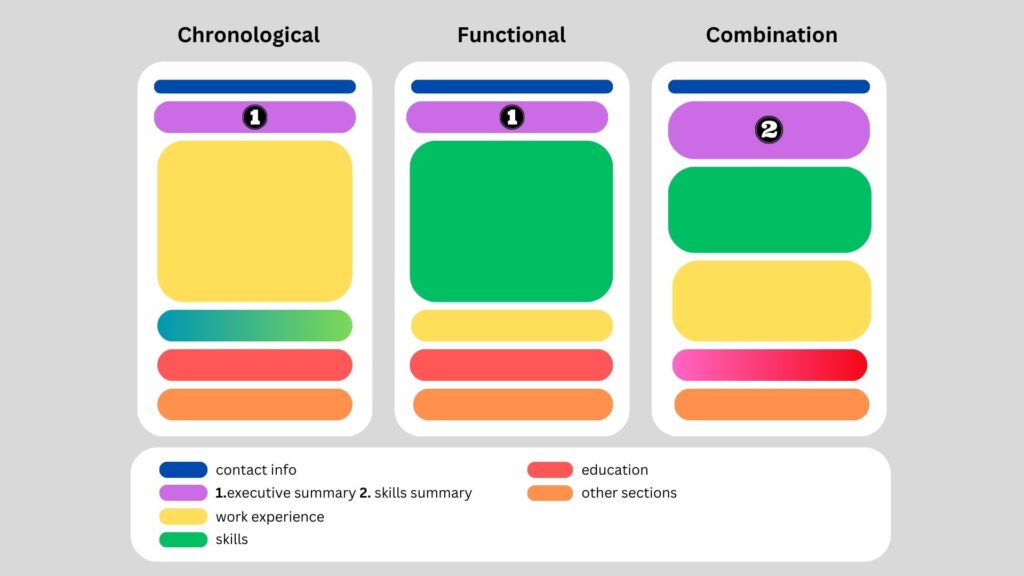
Of the 3 formats, most jobseekers will likely follow the reverse-chronological format.
It’s effective, clear, and simple to read.
It works very well for entry-level and mid-level workers.
But trouble arises when you progress into your career. The reverse-chronological format could lead to a very lengthy CV of more than 2 pages.
Your resume might read like an autobiography, outlining every nitty gritty detail in your career.
Over time it becomes very difficult to read, and more ineffective at landing you new jobs.
So what can you do?
At ResumeWriter, we’ve written thousands of effective Resumes that land our clients jobs (we refund their purchase if they don’t!)
And we’ve found that one format is the most effective at catching the readers’ attention, so you can land a new role.
(Hint: It’s none of the above three formats!)
Best Resume Format in 2026 (Recommended by Us)
- Senior Sales Director with 10+ years of experience in B2C sales to clients in industries such as FMCG, F&B, hospitality, and automotive.
- <More career overview or key workscope lines here>
- Discover how to write an Executive Summary here
- Lead team of 10 executives to drive all aspects of sales and marketing for leading FMCG brand.
- Prepare strategic business plan, monthly reports, setting of revenue targets, and business forecasts.
- <More work descriptions here>
- Consistently exceeded sales target by 120% month on month.
- Learn how to Write Accomplishments on your Resume here.
- <Insert work descriptions here>
- <Insert achievements here>
- <Insert work descriptions here>
- <Insert achievements here>
- [Degree], [Course], [Institution] | YYYY-YYYY
- [Degree], [Course], [Institution] | YYYY-YYYY
- Technical Skills: MS Office Suite
- Languages: English, Chinese
- Availability: 1 months’ notice
References available upon request [There’s no need to list your references; if HR is interested in you they will ask you for them.]
After 10 years of writing CVs, we’ve discovered that this resume format works best in 2026 that brings real results for our clients.
Why?
- It is concise. Starting your Resume with an Executive Summary tells recruiters all they need to know about your career highlights in a snap.
- It captures your skills. Our resume format captures the skills-based resume format, and more.
- It showcases your value-add. Achievements are added separately from Work Experiences, making your unique accomplishments crystal-clear.
- It shows your career narrative. A career narrative helps you stand out from other jobseekers with a similar background as yourself.
- It is readable by ATS scanners. By inserting headers and keywords that ATS scanners look out for, your resume becomes more parsable and more likely to be sent to a human reader.
It is readable by humans. Our resume format is more modular than a reverse-chronological format. This tells recruiters your critical career highlights, while keeping your resume concise and readable.
| Want our exclusive Resume Format? Download our free Resume Templates today! |
8 Resume Formatting Tips to Beat ATS Scanners
Our resume format is effective, but can only get you so far if it’s filled with ineffective content.
Here are some resume formatting and writing tips to bear in mind:
- Ensure section headers are clearly stated in your CV so ATS Scanners can parse them effectively:
- Name and Professional Title
- Personal/Contact Information
- Executive Summary
- Key Skills/Technical Skills
- Work Experience
- Achievements
- Education & Professional Qualifications
- Awards & Certifications
- Miscellaneous Information
- Choose an appropriate font. We suggest:
- Times New Roman
- Arial
- Garamond
- Remove photographs from your resume.
- Keep your resume as short and as concise as possible. Leave out work descriptions that are already implied or obvious.
- Focus on your current and latest 2-3 work experiences. Condense or omit earlier roles such as internships and part-time jobs if possible.
- Quantify your Achievements and Work Experiences where possible.
- Ensure sufficient spacing between sections and sentences so your resume is readable.
- Save your Resume as a PDF or Microsoft Word file.
| Check out our CV Writing Guide to learn more Resume Writing tips and strategies! |
Now that you’ve learnt our most effective resume format, why not try writing one of your own?
Get extra resume help and download one of our 10+ Resume Templates today! Our templates are designed in our recommended format and written by professional resume writers.
Resume Formatting Mistakes to Avoid
Even with all this advice on what to do, it’s worth noting a few common mistakes that job seekers often make with resume format. Avoiding these pitfalls will put you ahead of the competition:
Using an Overly Complex Layout: Fancy multi-column layouts, lots of graphics, or creative infographics might look cool, but they can confuse both the human eye and ATS systems.
Unless you’re in a design field and even then, consider a separate portfolio), keep the resume layout simple and straightforward. Don’t sacrifice clarity for flashiness.
Including Unnecessary Personal Data: Adding your religion, NRIC number, full address, or other personal data is usually not advised. They don’t add value to your candidacy and could lead to bias.
Stick to professional info only. (Exception: certain government or academic CVs might request detailed personal info, but that’s rare and specific.)
Long Paragraphs and No Bullet Points: Huge blocks of text are a turn-off. If your resume format is basically a wall of paragraph text, it’s time to break it up. Recruiters typically spend mere seconds in an initial scan of a resume. Use bullets and short statements.
Inconsistent Formatting: Double-check that your formatting is consistent from top to bottom. For example, if one employment entry has dates formatted as “2019 – 2021”, make sure another isn’t “Feb 2018 to Mar 2020” – pick one style. Consistency shows attention to detail.
Typos, Misaligned Text, and Sloppy Appearance: This might sound more like content than format, but a polished resume format includes being free of typos and misalignments. After you finish formatting, proofread the entire document.
Sometimes, formatting issues can cause odd line breaks or spacing. Review the PDF version of your resume to see how it looks to others. If something appears off, fix it.
Not Tailoring the Format/Length to Your Experience: A mistake is using the same resume format from the start of your career through 20 years of experience without adjusting.
Early on, you might have an “Education” section at the top, but later, that should move down.
Or you insisted on keeping to one page, but now you’re a senior manager with significant experience – it might be worse to cut out essential accomplishments just to force a single page.
Saving in the Wrong Format or Filename: After perfecting the content and format, don’t trip at the finish line. Save your file as PDF (unless instructed otherwise).
Name the file professionally. A hiring manager may see the filename, and a clear name helps them identify your document easily. Avoid odd file formats like .odt or .pages – stick to PDF or Word.
10+ Resume Templates with our Resume Format
#1 Timeless Black
Timeless Black is a simple yet elegant ATS friendly template. Recruiters love this for its condensed text block and easy to read sections.

#2 Professional Blue
Simple yet distinctive in style. A slight shade of blue that looks great even when printed in black & white.
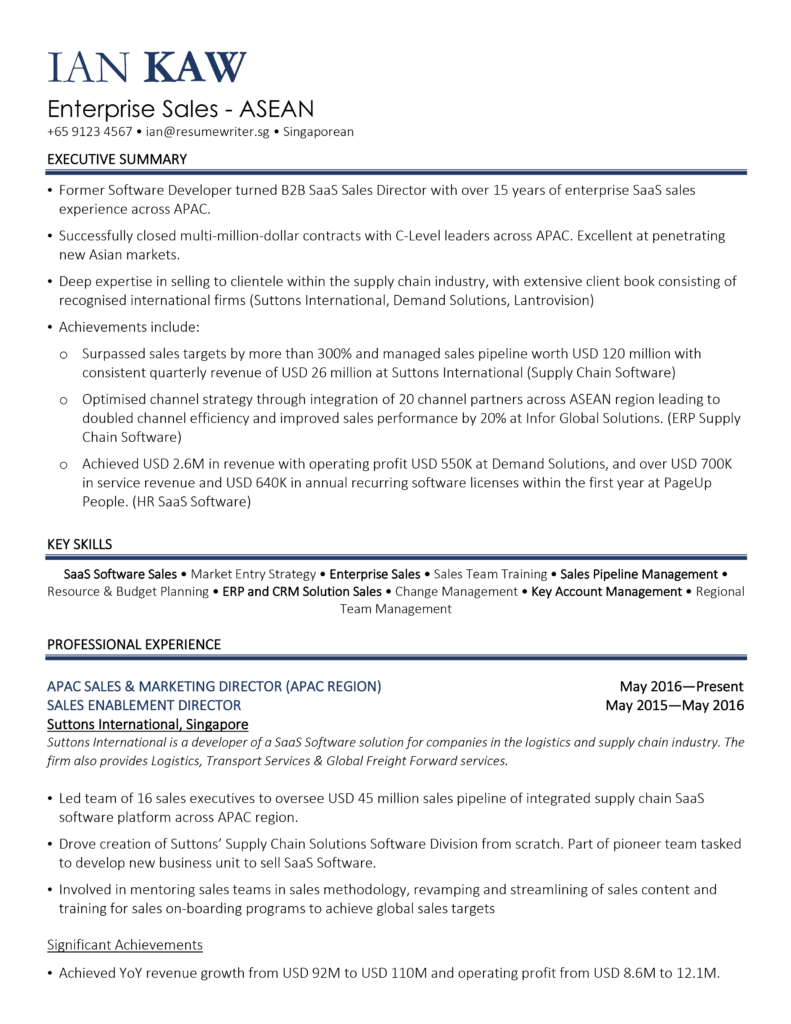
#3 Professional Black
An all black variation of our professional template.
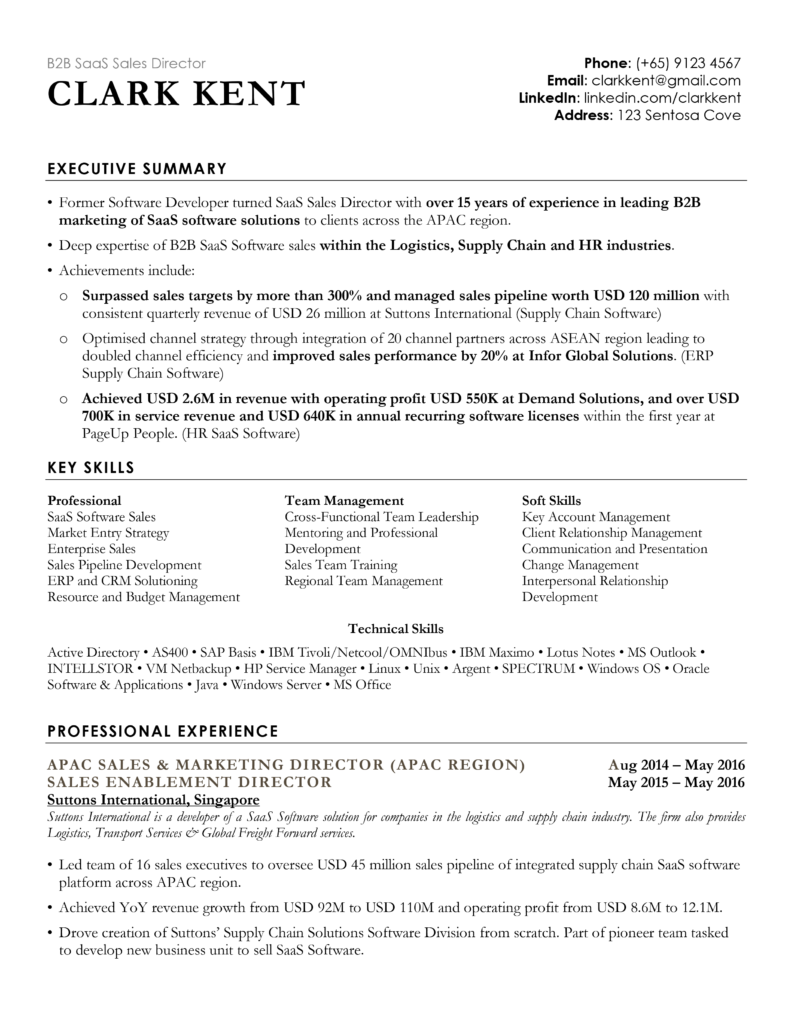
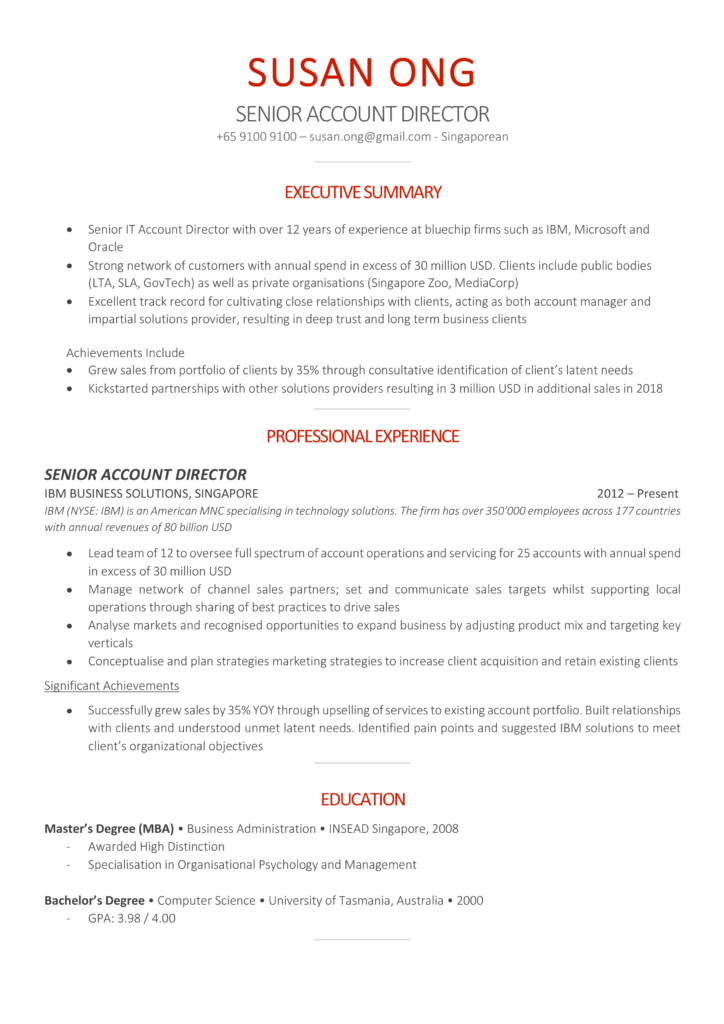
#4 Classic Red
A clean template with an exciting dash of red. Perfect if you’re looking to stand out with a bit of colour.
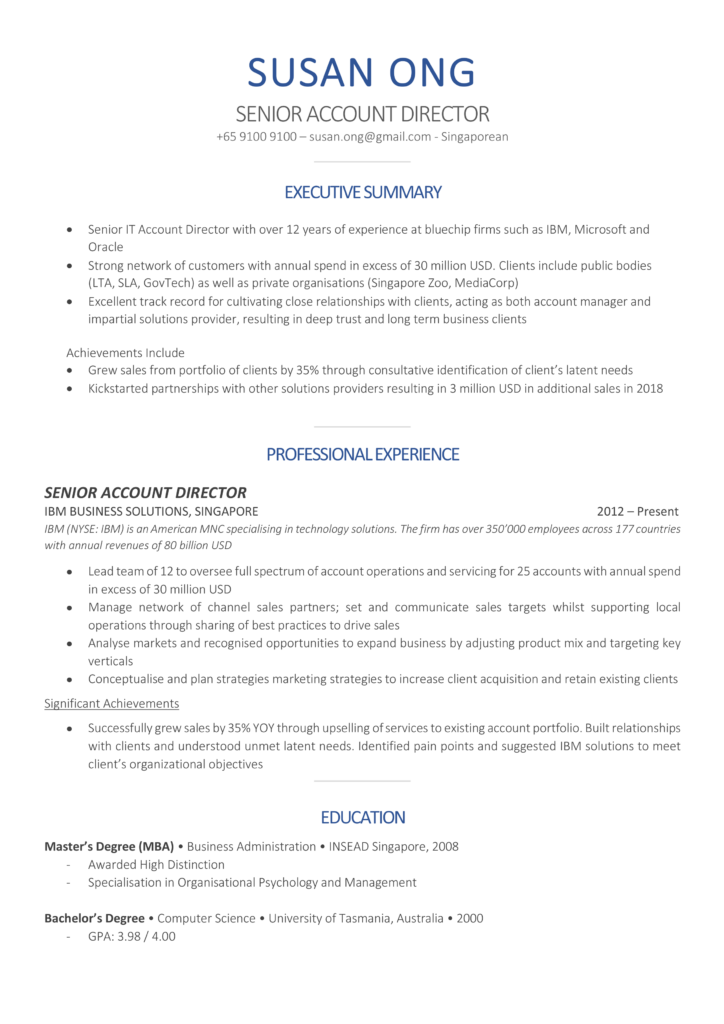
#5 Classic Blue
A blue variation of our classic template. A more understated but still colourful option.
#6 Bold Red
A striking template with bold text and distinctive red tones. Gives a very macho feel.

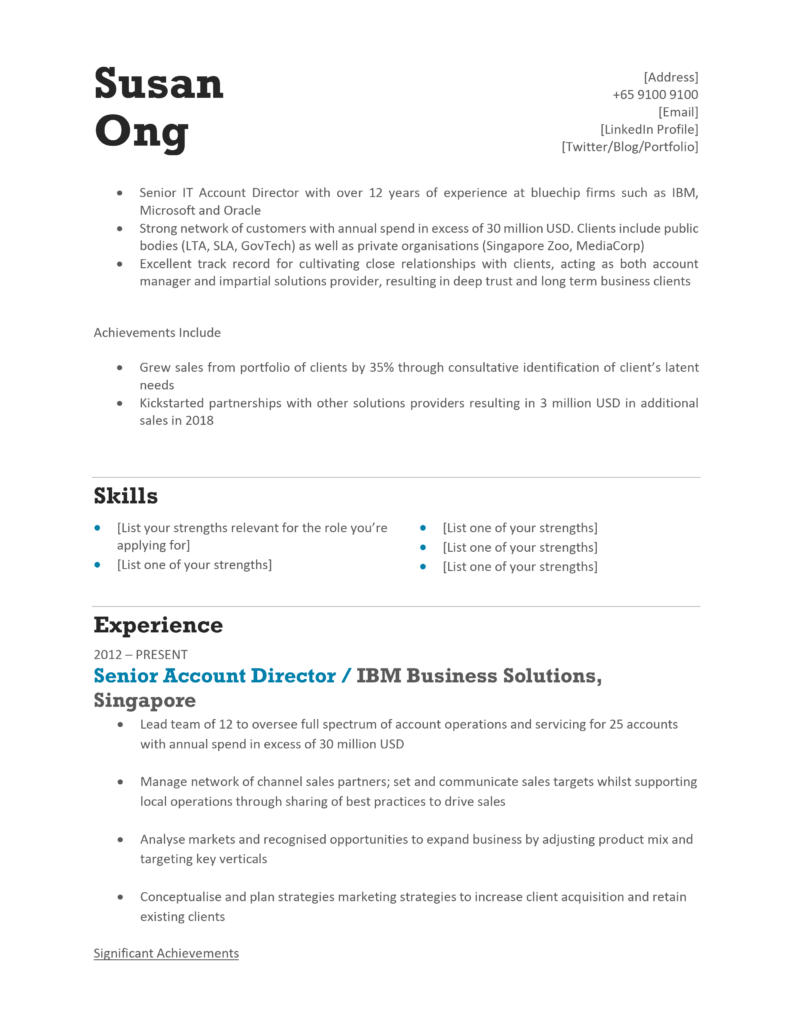
#7 Modern Blue
A more contemporary style, with dashes of blue scattered throughout.
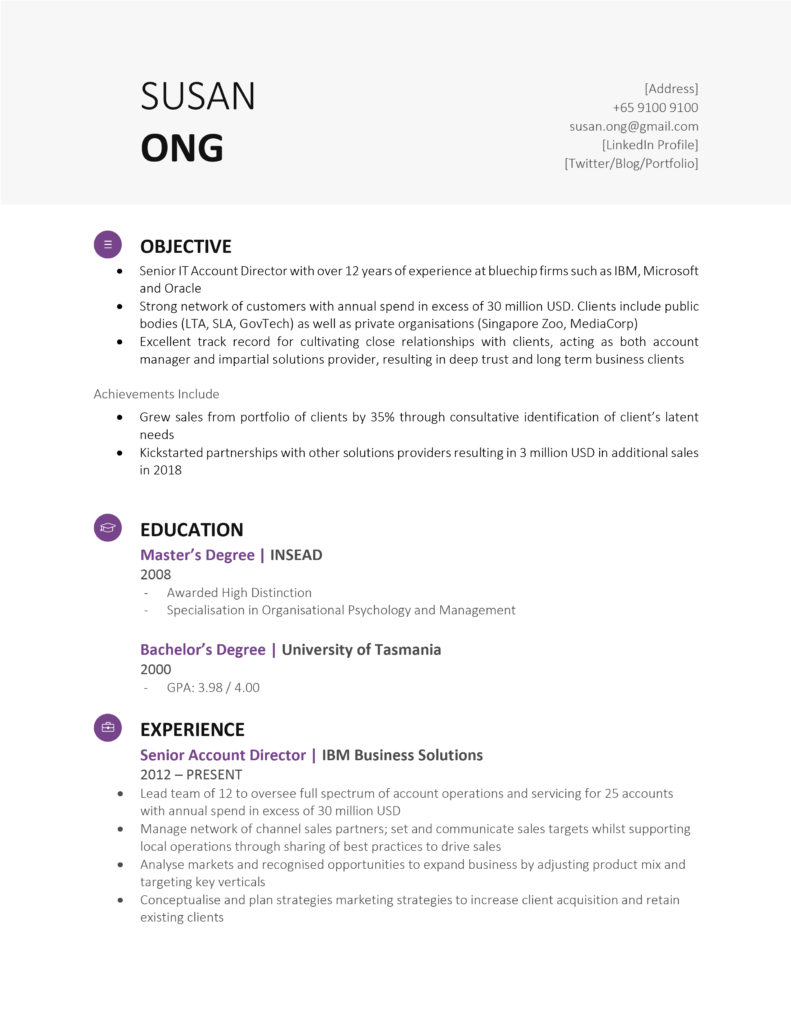
#8 Modern Purple
Variation of our modern template, with a fun hue of purple.
#9 Modern Green
Variation of our modern template, with a touch of green to add colour to the CV.
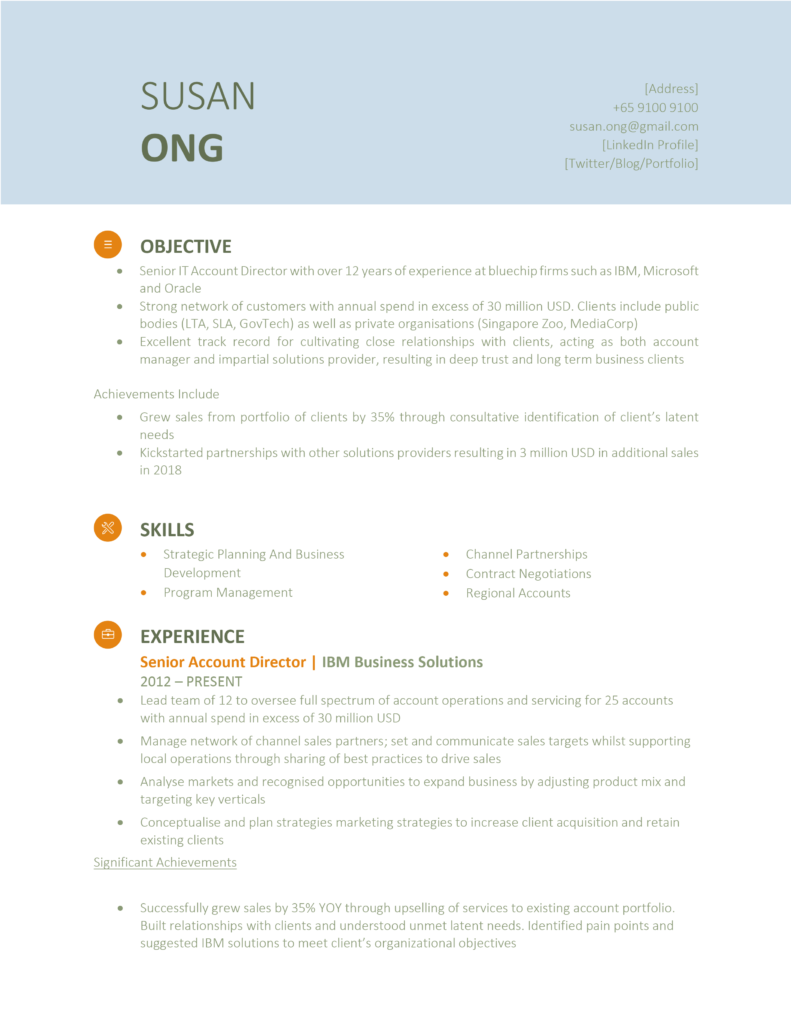
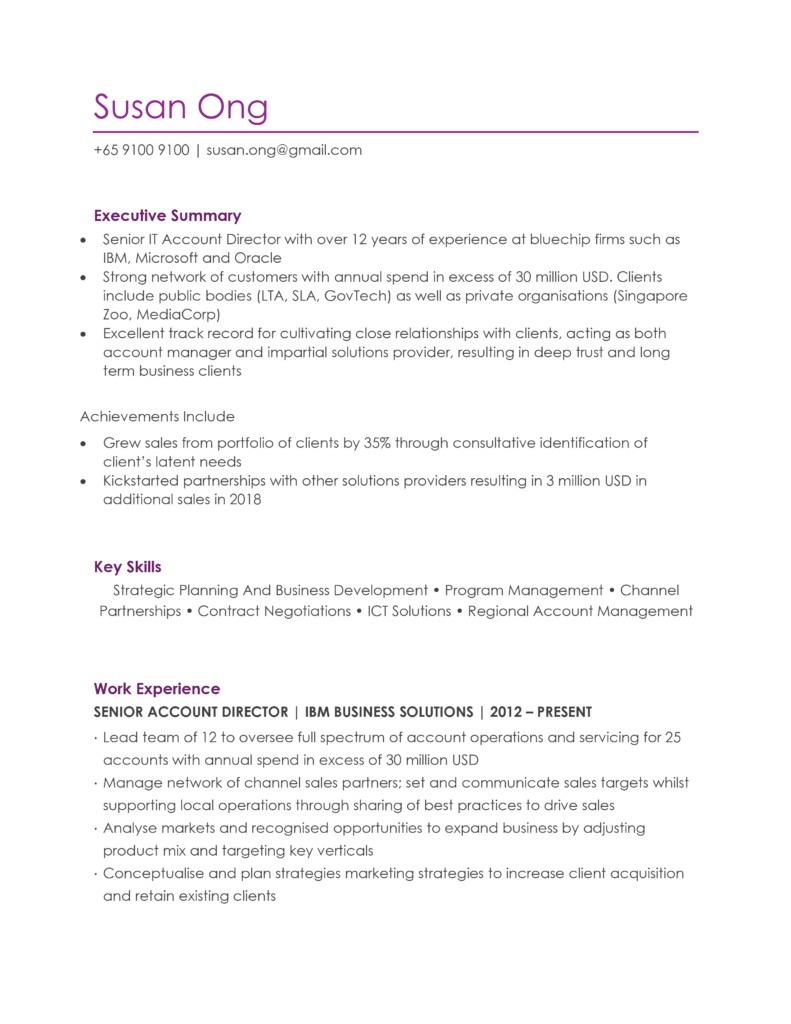
#10 Simple Violet
Simple template with a fresh shade of violet.
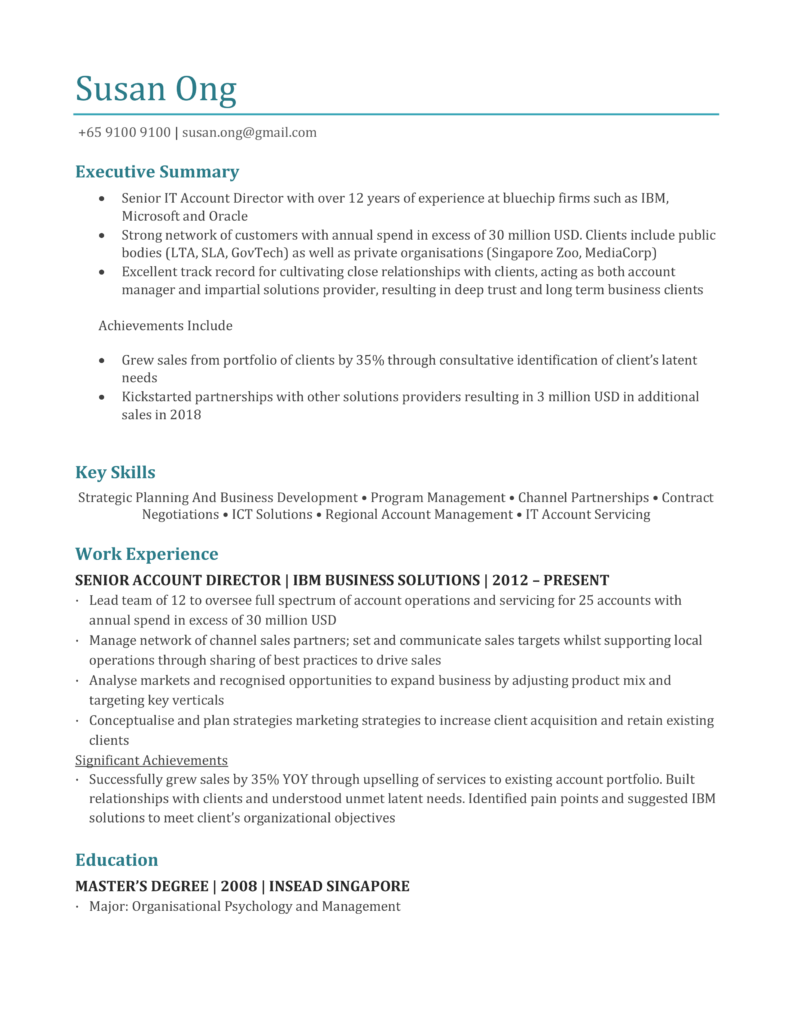
#11 Simple Green
Variation of our simple template with a soothing tone of green.
Common Questions about Resume Formats
What resume formats do you recommend?
The majority of people can stick with the u003cstrongu003eReverse-chronological Resume Formatu003c/strongu003e. A u003cstrongu003eFunctional Resume Format u003c/strongu003ecan be a better option if you have more skills than experience.
What is the most common resume format?
The u003cstrongu003eReverse-chronological Resume Formatu003c/strongu003e is the most commonly used CV format across the board, with the vast majority of templates using this style.
Are a resume format and resume template the same thing?
The answer is that no, not really. Whilst a template is a downloadable document that gives you a skeleton of your CV and will set out your format, the format itself is the order of which you choose to write your CV. So whilst they’re related, they’re not the same thing.
How do I write a simple resume?
Writing a simple resume doesn’t have to be difficult. As long as you include all of the essential items of a CV (like your Executive Summary, Achievements and Experiences of your career, you should be fine.

Outside of his professional pursuits, he enjoys road cycling, diving deep into biographies, and devouring copious amounts of dumplings.
- 2026 Salary Guide: Marketing - February 25, 2026
- 2026 Salary Guide: Project & Change Management - February 25, 2026
- 2026 Salary Guide: Banking Operations - February 25, 2026